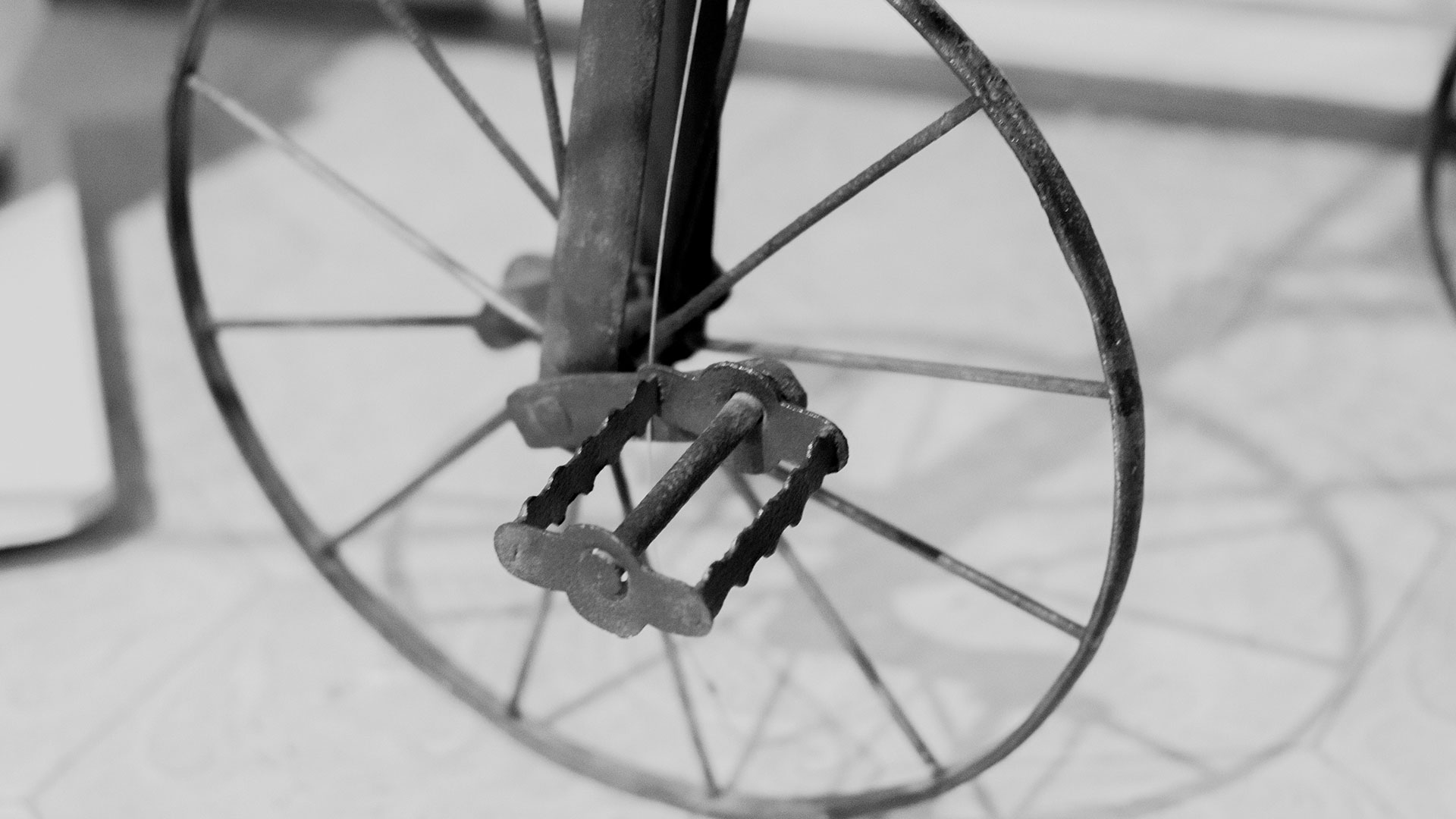
Do not become furniture in the king’s room
There is a strange thing that happens around power.
From far away, power looks simple. The manager is wrong. The executive is out of touch. The founder does not understand what the team is going through. The king is surrounded by people who keep giving him bad advice.
Distance makes judgment easy. Then you get closer.
You begin to see the pressure, the competing priorities, the information that was not shared with everyone else, and the difficult choices hidden behind the clean announcement. You realize that some decisions were not as foolish as they looked from your desk.
That is useful. But closeness has its own danger.
Stand too far from power and you misunderstand it. Stand too close and you may stop seeing it clearly.
Proximity is useful until it becomes dependency
The fifth law is simple: stay close enough to understand power, but far enough to keep your judgment. This is harder than it sounds.
People often fall into one of two camps. The first camp stays far away from authority and builds a whole worldview from the hallway. They criticize every decision, suspect every motive, and treat every leader as if incompetence is the only possible explanation. This feels brave, but it is often just ignorance with a loud voice.
The second camp gets too close. These are the people who slowly become part of the furniture. They learn the leader’s preferences, moods, fears, favorite phrases, and blind spots. At first, this knowledge makes them effective. Then, over time, they stop asking whether the leader is right and start asking how to protect the leader from discomfort. That is not loyalty. That is surrender dressed as professionalism.
The room changes when power enters
Every conversation with power contains more people than the two bodies in the room.
There is the person you are. There is the person you think you are. There is the person you think the manager is. We made a similar point in the post about the six people in every one-on-one conversation. People enter conversations with perceptions of themselves and perceptions of others, and those perceptions shape what happens before the first sentence is finished.
This matters because proximity feeds perception.
The more time you spend near a powerful person, the more you may start confusing access with insight. You begin to think, “I know how she thinks.” Maybe you do. Or maybe you only know the version of her that appears when people are watching.
At the same time, distance creates its own distortions. If you never see the pressures above your manager, you may judge only the visible part of the job. A leader’s work has a visible part and an invisible part, including shielding the team from distractions, advocating upward, and making decisions that others may not see.
So, distance can make you unfair. Closeness can make you captured.
The mature position is somewhere in the middle.
Be near the work, not trapped by the person
The goal is not to avoid relationships with people in power. That would be foolish.
A healthy professional life requires relationships. Opportunities often move through people who know your work, trust your judgment, and remember your name when a door opens. Opportunities tend to come through the people we stay connected to, not the dead networks we remember only when trouble arrives.
So yes, build relationships upward.
Understand your manager’s pressures. Learn what the executive cares about. Pay attention to how decisions are made. Notice which risks matter in the room above yours. This is not politics in the cheap sense. This is literacy.
But do not hand over your judgment as the price of access.
You can respect power without worshiping it. You can understand a leader’s constraints without excusing every decision. You can be trusted by the manager without becoming the manager’s echo.
The difference is small, but it is everything.
Keep a chair outside the room
Think of it this way.
When you work near power, always keep a chair outside the room. That chair is where you return to think. It is where you ask the questions you could not ask in the meeting. It is where you separate loyalty from fear, respect from dependency, and strategy from self-erasure.
Every professional who deals with power needs that chair.
Without it, you slowly become unable to tell where your judgment ends and the leader’s preference begins.
The law of distance is not a call to rebellion. It is not a call to coldness either. It is a call to balance.
Get close enough to understand the room. Stay far enough to see the room.
Because when power invites you in, the danger is not only being rejected at the door. Sometimes the greater danger is being welcomed so warmly that you forget how to leave.