Visibility shapes how people are perceived at work, but it often hides the truth about real value.
The People Who Are Seen
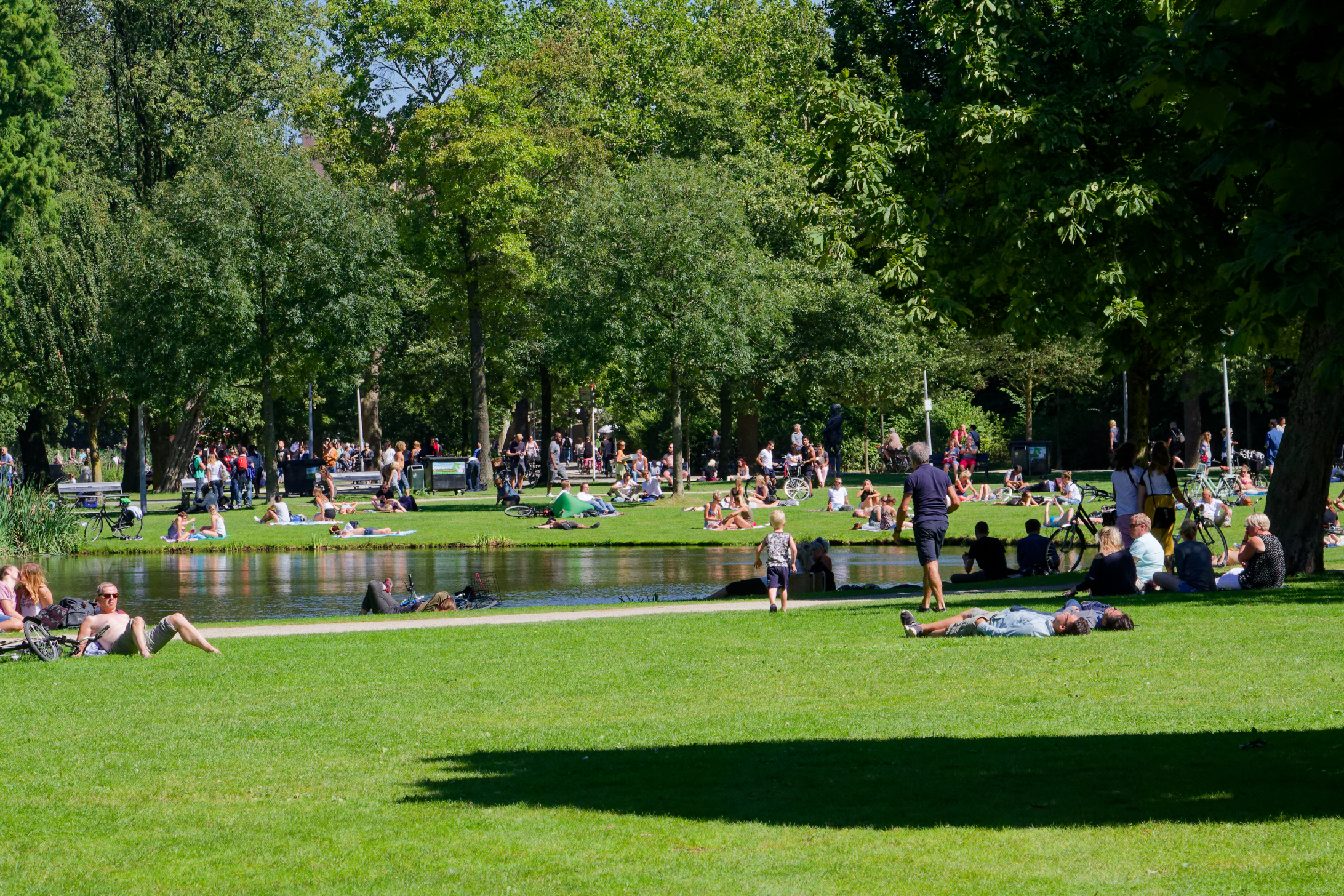
In most workplaces, the people who move ahead are not always the ones doing the most important work. They are the ones who are seen. They sit in the meetings where decisions are made. They pass by the manager’s desk. They speak often, just enough to stay present in the room. Their names come up easily because their faces do too.
And so, when opportunities appear, they are remembered.
The Work No One Sees
Meanwhile, somewhere quieter, someone else is working just as hard—often harder. They are solving problems before anyone notices them. They are catching mistakes, finishing tasks, supporting others, and keeping the work moving forward. They do not interrupt meetings. They do not repeat what has already been said. They do not draw attention to themselves.
They simply deliver.
But because their work happens without noise, it is easy to miss. Not because it lacks value, but because it lacks visibility.
The Quiet Force of Proximity Bias
This is where proximity bias quietly takes hold. Managers, often without realizing it, begin to trust and reward the people they see most often. In a traditional office, that means the ones who are physically nearby. In a remote or hybrid setting, it becomes the ones who are always online, quick to respond, and comfortable speaking up.
Visibility starts to look like commitment.
Presence starts to look like performance.
The Invisible Scorecard
Slowly, a second system of evaluation emerges.
On paper, people are judged by results, impact, and collaboration. But in practice, there is an invisible scorecard—one that gives weight to what is easy to notice. A manager sees one employee every day and feels confident in their dedication. Another appears less frequently, and doubt creeps in.
Not because of poor performance, but because of limited exposure.
The problem is simple: being seen is not the same as creating value. Activity is not the same as contribution. Speaking often is not the same as leading.
Yet the workplace often treats them as if they are.
How Behavior Starts to Shift
Over time, this imbalance shapes behavior. People learn that doing good work is not enough—it must also be visible. They begin to speak more, even when they have little to add. They stay online longer than necessary. They make sure their effort is noticed, not just completed.
It is not always ambition that drives this. It is adaptation.
Because good work does not always speak for itself. It does not always travel upward. It does not always reach the people making decisions.
Sometimes, it stays where it was done.
Making Value Visible
So the challenge is not to become louder, but to become clearer.
A quiet worker does not need to change who they are, but they do need to make their impact easier to see. A short message that connects effort to outcome can shift perception. A simple sentence that explains why a task mattered can carry more weight than a long list of activities. Being present in the right conversation—even briefly—can change how work is understood.
None of this requires abandoning humility. It simply requires refusing to disappear.
What Good Leadership Looks Like
Strong workplaces, and strong leaders, learn to look beyond visibility. They ask better questions. Not who speaks the most, but who solves the problem. Not who is always present, but who delivers when it counts. Not who is easiest to remember, but who makes the work better.
That is where real value lives.
The Reality You Have to Work With
But not every environment works this way.
Until you find yourself in one that does, there is a quiet responsibility to make your work visible enough to be recognized. Not exaggerated. Not inflated. Just seen.
Because in many workplaces, what gets noticed gets rewarded.
And if visibility shapes opportunity, then making your work visible is not self-promotion.
It is self-preservation.